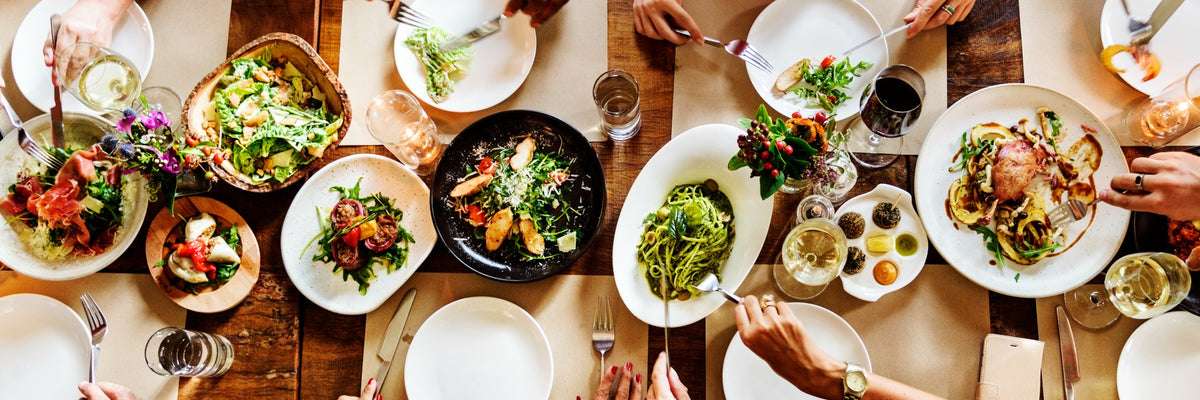
The doorbell rings. Something smells wonderful in the kitchen. There is a drink ready to pour, a little something to nibble, and you are actually available to say hello. That is a pretty good start to a holiday gathering.
Getting there does not require a different appetizer for every guest or a dining room that looks like a department store display. A few thoughtful preparations, a manageable menu, and a pantry stocked with useful ingredients can do much of the work.
At The Spice & Tea Shoppe, we like to start with flavor. The right seasoning can turn a tray of vegetables into a favorite side dish. A good loose leaf tea gives guests a reason to linger after dessert. And a bottle of olive oil can help with everything from the welcome snack to tomorrow's lunch.
Here is how to prepare for the holidays with good food, warm cups, and a little more breathing room.
1. Plan the Gathering Before You Plan the Food
A holiday open house needs a different menu from a seated dinner. An afternoon visit may only call for tea, something savory, and a plate of cookies. Decide what you are inviting people to enjoy before you start collecting recipes.
Confirm your guest count, ask about food allergies and dietary needs, and let everyone know whether you are serving a meal or light refreshments. If guests offer to contribute, give them a specific assignment. “Could you bring the salad?” is easier to work with than six people arriving with dessert.
Then choose one dish you are especially excited to serve. Let familiar favorites fill out the rest of the menu. You can try that ambitious new recipe another weekend, when dinner does not have an audience.
2. Give Your Spice Cabinet a Holiday Checkup
Before buying groceries, take a look at the ingredients that give your holiday recipes their character. Do you have enough cinnamon for both the pie and breakfast? Is the poultry seasoning nearly empty? Does the ground ginger still smell like ginger?
Check aroma as well as quantity. Rub a small pinch of a dried herb between your fingers or smell a little ground spice in a spoon. If the fragrance is faint, it may contribute less flavor than you expect. Keep spices tightly closed, away from heat, steam, and direct sunlight.
Build your list around what you actually cook. A practical holiday selection might include:
- For savory dishes: black pepper, garlic, rosemary, thyme, sage, or a favorite all-purpose seasoning.
- For baking: cinnamon, ginger, nutmeg, cloves, and cardamom, according to your recipes.
- For drinks: mulling spices, loose leaf tea, and a clearly labeled caffeine-free option.
- For quick finishing touches: olive oil, balsamic vinegar, and a seasoning you enjoy on vegetables or potatoes.
You do not need to buy every spice on the shelf. Start with versatile favorites from our herbs and spices collection and give each one a job.
3. Make Your Ingredients Work More Than Once
One of the easiest ways to simplify holiday shopping is to choose ingredients that fit several dishes.
A savory herb blend can season roasted potatoes, flavor a dip, and brighten the next day's soup. Cinnamon can appear in a dessert, a breakfast dish, and a warm drink. Olive oil can become a bread dip, a salad dressing, or the finishing drizzle on roasted vegetables.
This also helps keep specialty ingredients from becoming expensive cabinet decorations. A package of seasoning is something you can reach for across many meals, with the number of uses depending on the package size and your recipes.
Give the menu some variety, though. If dessert is richly spiced, keep the appetizer fresh and savory. Try a peppery vegetable dish alongside a mellow potato dish. Different flavors give guests more to enjoy than the same seasoning repeated on every plate.
4. Plan an Appetizer That Leaves the Oven Alone
Holiday oven space disappears quickly. Choose a welcome snack that does not compete with the main course.
A small cheese plate with crackers, pears, and preserves is plenty before a full dinner. Bread with a seasoned olive oil dip is another easy option. Or stir a favorite savory seasoning into sour cream or plain Greek yogurt, refrigerate it, and serve with vegetables when guests arrive.
Start lightly with seasoning, especially if the blend contains salt, then taste and adjust. For bread dipping, pour the oil into a shallow dish so guests can easily reach it without juggling a deep bowl.
Our olive oils and balsamic vinegars offer plenty of possibilities for dipping, dressing, and finishing. Choose a flavor that also fits something else on your menu.
The goal is a small welcome bite. Nobody needs to be full before the meal you have spent the afternoon preparing.
5. Have a Welcome Drink Ready to Pour
A warm drink makes a lovely first gesture on a cold day. Mulled apple cider is especially useful because it can serve as a festive alcohol-free option for the whole gathering.
Prepare it with mulling spices according to the blend's directions, taste as it warms, and strain before serving. Use heat-safe cups and keep the serving area clear. If you are offering an alcoholic addition, keep it separate and clearly identified so guests can choose.
Prefer something lighter? Offer freshly brewed tea alongside water and another cold drink. A few well-chosen options are easier to manage than an entire drink menu.
Place napkins, cups, and spoons together, with a clear place for used items. A guest should be able to help themselves without opening three cupboards or standing in front of the oven.
6. Give After-Dinner Tea a Place at the Table
Coffee often gets planned automatically. Tea deserves a little attention, too.
Choose two or three options from your loose leaf tea favorites: perhaps a black tea, a spiced blend, and a caffeine-free herbal infusion or rooibos. Check the ingredients and caffeine information for each blend rather than assuming every herbal blend is caffeine-free.
Set out infusers, a timer, teaspoons, honey, and a small dish for used infusers. Follow each tea's recommended water temperature and steeping time, and remove the leaves when brewing is complete.
For a simple dessert pairing, try black tea with shortbread, spiced tea with an apple dessert, or rooibos with vanilla cookies. Think of these as starting points, then let your own taste guide you.
A pot of tea and a small plate of sweets can also become a gathering of their own. You do not have to host a full dinner every time you want to see someone during the holidays.
7. Write a Menu Your Kitchen Can Handle
Before committing to your dishes, consider where each one will cook. Three recipes that all need the oven at different temperatures can turn a pleasant afternoon into a scheduling puzzle.
Mix cooking methods. Pair an oven-roasted main with a stovetop side, a salad, and a dessert prepared ahead. Write the serving time at the top of a page, then work backward through your recipes, including resting, reheating, and finishing steps.
Set out the serving dishes and utensils in advance. A small note in each dish can remind you what belongs there. It also makes it easier for someone to help without asking where every spoon goes.
Leave a little room in the schedule for the unexpected. Guests arrive early. Rolls take longer than planned. Someone needs directions. A menu with breathing room can absorb those moments.
8. Make the House Comfortable in Small Ways
Put your effort where guests will notice it: somewhere to leave a coat, a clear seat, a place to set a glass, and a bathroom with fresh towels and visible supplies.
Keep table decorations low enough for conversation and small enough to leave room for food. An ivory napkin, a simple centerpiece, and the dishes you already own can make a lovely table.
Near the food, let dinner provide the fragrance. Strongly scented candles can compete with the aroma of a roast or a freshly brewed tea.
If you have overnight visitors, show them where to find mugs, water, and breakfast items. A little independence makes guests comfortable and gives you one less task in the morning.
9. Remember the Meals Around the Main Event
The holiday dinner gets plenty of attention. Breakfast the next morning sometimes gets whatever is left in the refrigerator.
Keep one easy breakfast in mind: oatmeal with cinnamon and fruit, yogurt with a few toppings, or a simple egg dish with a savory seasoning. Tell overnight guests which meals you have planned so everyone can arrange the rest of their day.
Think about leftovers before you cook, too. Set aside suitable containers and make refrigerator space. Tomorrow's turkey sandwich can get a different personality from mustard or a flavorful spread. Extra roasted vegetables can become part of a soup or grain bowl.
Planning for those smaller meals helps you use what you bought and keeps the holiday from becoming several days of starting from scratch.
10. Keep Something Ready for an Unexpected Invitation
The holidays have a way of adding plans to the calendar when you thought it was already full. A neighbor invites you over for dessert. A friend suggests an afternoon visit. Someone hosts a small gathering after work.
Set aside a few pantry gifts that you would be happy to give or use yourself. A loose leaf tea paired with an infuser makes a thoughtful choice for a tea drinker. A favorite seasoning with a handwritten cooking suggestion feels personal without requiring a full gift basket. Olive oil and a loaf of good bread can be a welcome contribution when the host has asked you to bring an appetizer.
Match the gift to the person rather than the price tag. For someone who cooks every evening, a useful spice blend may be more appreciated than another serving dish. For someone who enjoys quiet mornings, a tea you chose with their taste in mind can feel especially thoughtful.
Keep the original ingredient labels with anything you give, and check dietary needs before choosing food gifts.
You can also make a small holiday tradition out of sharing a favorite flavor. Bring the same tea each year, tuck a recipe beside a seasoning, or send guests home with the name of the blend they enjoyed at dinner. It gives them a way to recreate a little of the gathering in their own kitchen.
Your Holiday Hosting Countdown
One to two weeks ahead: Confirm guests and dietary needs. Choose the menu, check your spices and tea, and order pantry items with time to spare. Decide what guests can bring.
Two to three days ahead: Shop for fresh ingredients, clear refrigerator space, and review the cooking schedule. Prepare only the dishes your recipes identify as suitable for making ahead.
The day before: Set out serving pieces, organize your tea supplies, arrange the table, and complete the prep your recipes allow. Put the menu and timing notes somewhere easy to see.
Before guests arrive: Finish the welcome drink, put out the appetizer close to serving time, and give yourself a few minutes to get ready. Keep perishable food refrigerated until needed and use appropriate hot or cold holding during service.
Bring Good Taste to the Gathering
The moments people remember are often small: the smell of familiar spices, the first sip of something warm, the recipe someone asks you to share. Those are worth preparing for.
At The Spice & Tea Shoppe, you will find spices, seasonings, loose leaf teas, olive oils, balsamic vinegars, and specialty gourmet foods to help you put your holiday menu together. Visit our Reno shop or browse online, and find more cooking inspiration on our recipes page.
Stock the pantry, put the kettle on, and leave yourself a seat at the table.
Let's Get Cooking
For more culinary inspiration, be sure to visit our recipe page. Here, you'll find a diverse collection of delicious recipes for every taste, season and occasion.